
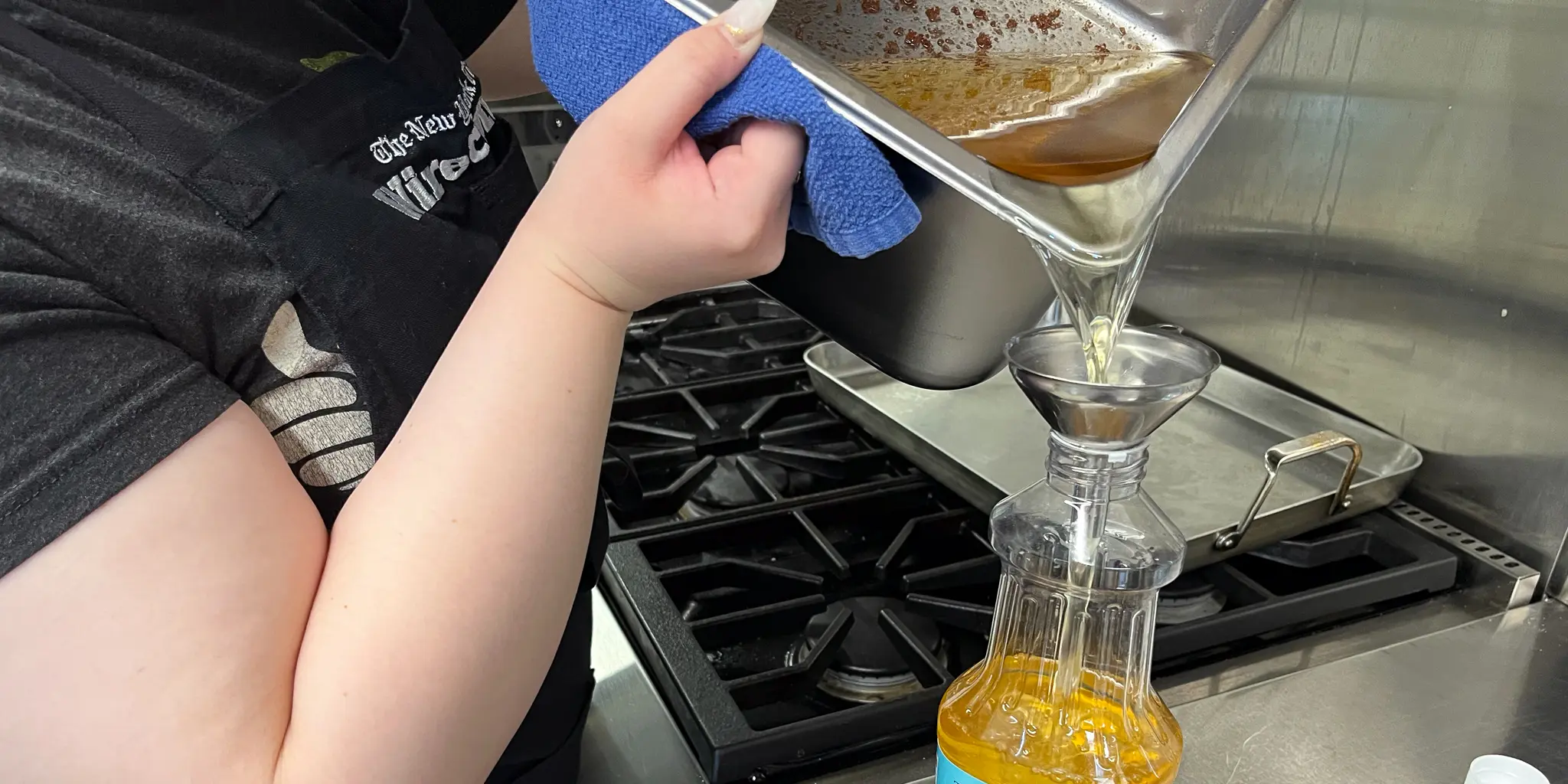
Proper disposal of cooking oil is a crucial aspect of waste management that often goes overlooked in many households and businesses. Understanding the implications of improper disposal can help you avoid costly fines and contribute to environmental sustainability. Many people are unaware that dumping cooking oil down the drain or into the garbage can lead to significant issues, both legally and environmentally.
Cooking oil, when poured down sinks or drains, can solidify and cause blockages in plumbing systems. These blockages not only result in expensive repairs but also pose a risk to municipal sewage systems, potentially leading to overflows and contamination of local water bodies. This form of pollution is harmful to aquatic life and can disrupt ecosystems significantly.
From a legal standpoint, many jurisdictions have strict regulations regarding the disposal of cooking oils and fats. Violating these regulations by improperly disposing of Can you dump cooking oil? result in hefty fines for homeowners as well as businesses such as restaurants and catering services. It’s essential to be informed about local laws concerning waste disposal to avoid these penalties.
There are several environmentally friendly ways to dispose of used cooking oil responsibly. One option is recycling; many communities have recycling programs specifically for used cooking oils where they convert it into biodiesel—a renewable energy source that burns cleaner than fossil fuels. Participating in such programs not only helps protect the environment but also supports sustainable energy initiatives.
For those without access to recycling facilities, there are other methods available. Allowing the oil to cool before pouring it into a sealable container for disposal with regular trash is one alternative; however, this should be done sparingly due to landfill concerns. Another method includes reusing cooking oil if it hasn’t degraded significantly after its initial use—straining out food particles allows you another round with your frying pan while minimizing waste.
Businesses dealing with large volumes must adhere strictly to guidelines set by health departments or environmental agencies regarding grease traps or interceptors designed specifically for collecting fats, oils, and greases (FOG). Regular maintenance ensures these devices function correctly without causing backups or overflow problems which could invite legal scrutiny.
In conclusion, understanding how best practices around disposing of used cooking oils impact both your wallet through potential fines—and our planet—is vital knowledge today more than ever before given increasing environmental awareness globally combined alongside tighter regulatory frameworks being enforced locally across various regions worldwide now too! By adopting responsible habits like recycling instead whenever possible plus staying updated on relevant rules governing this area within respective locales accordingly then ultimately everyone benefits together collectively long-term alike!